Nepal (UTC+5:45)International (UTC)
Everest Blog — Look closer. Ask questions. Discover more. Himalayan mountain illustration

Selected stories

Editor's selection

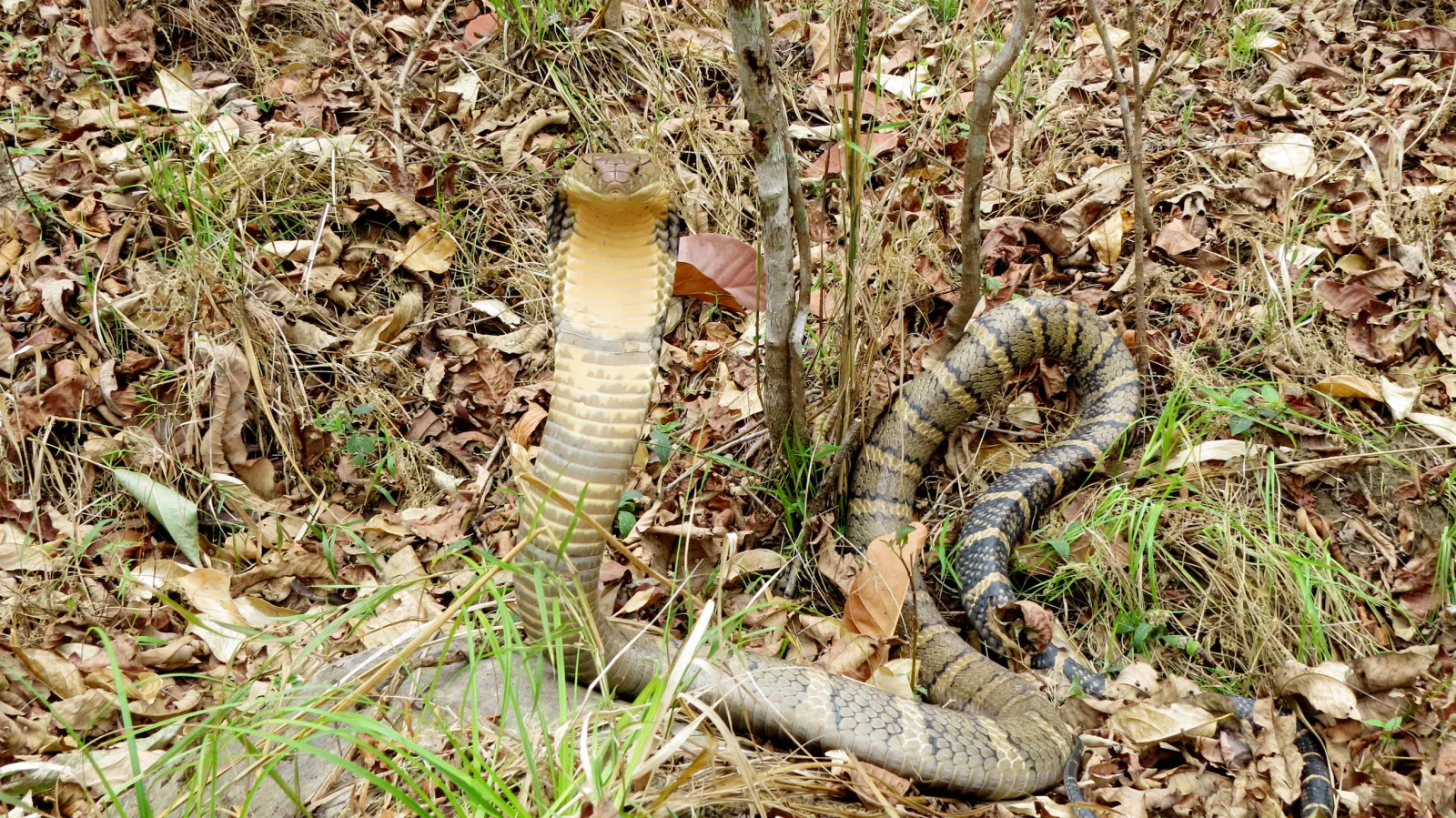
King cobra in a forest habitat in Nepal.

Wildlife & Nature10 min read

Dangerous and Venomous Snakes of Nepal: A Wildlife Guide

Nepal is home to a fascinating diversity of snakes, from powerful king cobras to medically significant kraits and vipers. Explore their habitats, identifying features, venom, conservation challenges, and essential safety precautions in this wildlife guide.

Read more

From the journal

Latest stories

King cobra in a forest habitat in Nepal.

Wildlife & Nature10 min read

Dangerous and Venomous Snakes of Nepal: A Wildlife Guide

Nepal is home to a fascinating diversity of snakes, from powerful king cobras to medically significant kraits and vipers. Explore their habitats, identifying features, venom, conservation challenges, and essential safety precautions in this wildlife guide.

Read more
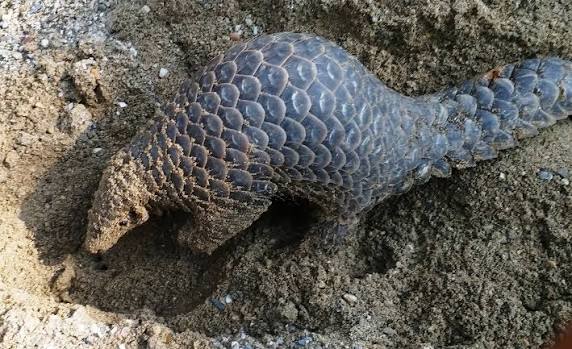
A Chinese pangolin curled in a defensive ball on the forest floor in Nepal

Nature & Wildlife4 min read

The Elusive Pangolin of Nepal: A Rare and Endangered Guardian of the Forest

The pangolin of Nepal is a shy, nocturnal, scale-covered mammal that helps keep forests healthy by eating ants and termites. It is now critically threatened by poaching and habitat loss. This article explains its species, habits and how we can protect it.

Read more
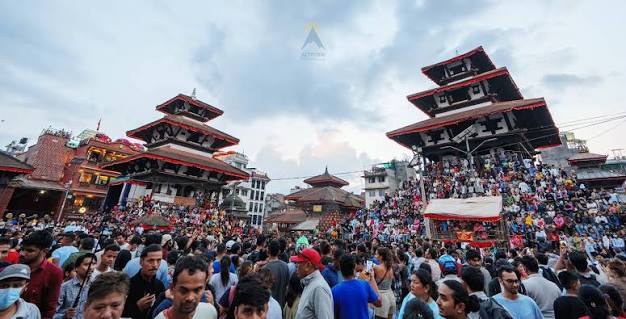
Crowds gathered around the Kumari chariot procession at Kathmandu Durbar Square during Indra Jatra

Festivals4 min read

Indra Jatra: Kathmandu’s Festival of Kumari and Masks

Indra Jatra is Kathmandu’s biggest street festival, an eight-day celebration of the rain god Indra, the Living Goddess Kumari, sacred masks and Newar culture. This guide explains its story, rituals and meaning.

Read more
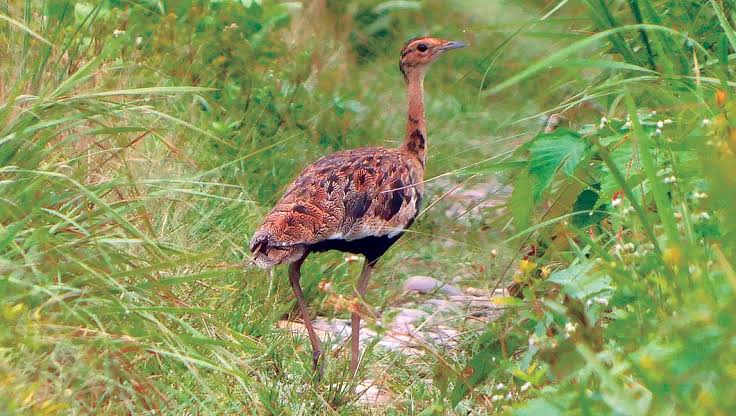
Male Bengal florican displaying its black and white plumage in Nepal’s Terai grasslands.

Nature & Wildlife8 min read

Bengal Florican in Nepal: Chitwan’s Rare Grassland Bird

Hidden among the grasslands of Nepal’s Terai, the Bengal florican is one of the world’s rarest bustards. This critically endangered bird is known for the male’s striking black and white plumage and remarkable courtship display. Chitwan National Park is one of the important protected areas for the species in Nepal, but its population has declined dramatically. Discover its appearance, habitat, behaviour, the threats it faces, and why conserving Nepal’s grasslands is essential for its survival.

Read more
A traditional canoe travelling along a quiet river in Chitwan, surrounded by lush riverbank vegetation.

Travel & Wildlife9 min read

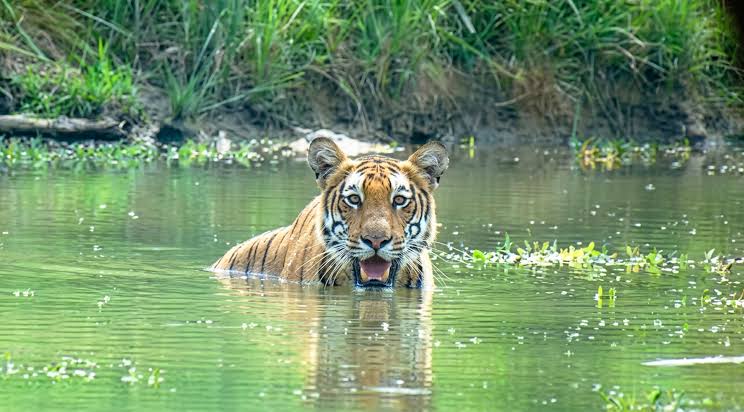
Long Canoeing Safari in Kumroj, Chitwan: A Chance to See the Bengal Tiger

Experience the quiet beauty of a long canoeing safari in Kumroj, near Chitwan National Park, Nepal. Journey along scenic waterways, observe birds and aquatic wildlife, and explore habitats where Bengal tigers roam. Although tiger sightings are never guaranteed, the landscape offers a memorable opportunity to discover the wild side of the Terai.

Read more
Nepali women wearing red saris and traditional jewellery during the Teej festival

Festivals9 min read

Teej in Nepal: A Celebration of Love, Faith and Womanhood

Every year, Nepal comes alive with the colour of red saris, the rhythm of traditional songs and the joyful gatherings of women celebrating Teej. Rooted in Hindu traditions and shaped by generations of Nepali culture, Haritalika Teej is a festival of devotion, family, friendship and self-expression. From fasting and temple visits to dancing and sharing heartfelt songs, Teej brings communities together while preserving traditions that continue to evolve with modern Nepal.

Read more
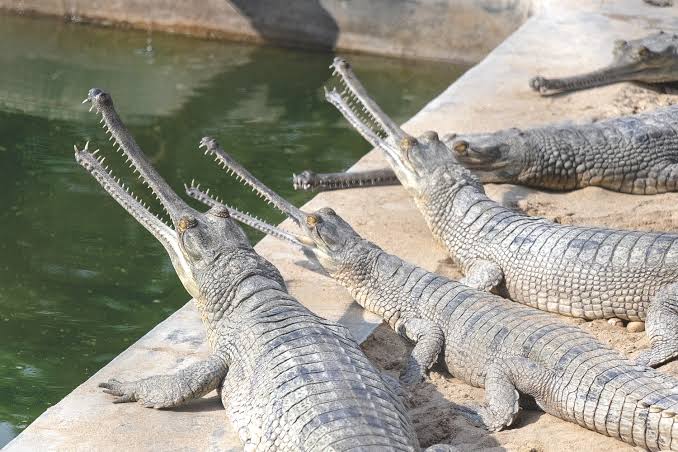
Gharial crocodile swimming in a freshwater river in Nepal

Wildlife & Biodiversity8 min read

Gharial Crocodile: The Rare Guardian of Nepal’s Rivers

With its extraordinarily narrow snout and close connection to flowing rivers, the gharial is one of South Asia’s most distinctive reptiles. Once found across a much wider river system, this critically endangered crocodilian now survives in a limited number of habitats. Nepal plays an important role in its conservation, particularly through efforts to protect river ecosystems, nesting banks and the fish populations on which gharials depend.

Read more
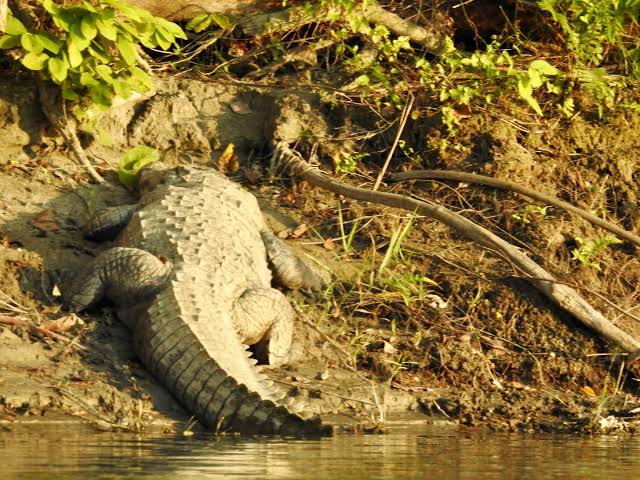
Marsh mugger crocodile resting along the muddy bank of a freshwater wetland

Nature & Wildlife8 min read

Marsh Mugger Crocodile: The Ancient Predator of South Asia

Hidden among the wetlands, rivers and lakes of South Asia, the marsh mugger crocodile is one of the region’s most remarkable freshwater predators. Known for its broad snout, powerful body and extraordinary adaptability, this ancient reptile plays an important role in aquatic ecosystems. Discover its behaviour, habitat, ecological significance and the conservation challenges shaping its future.

Read more
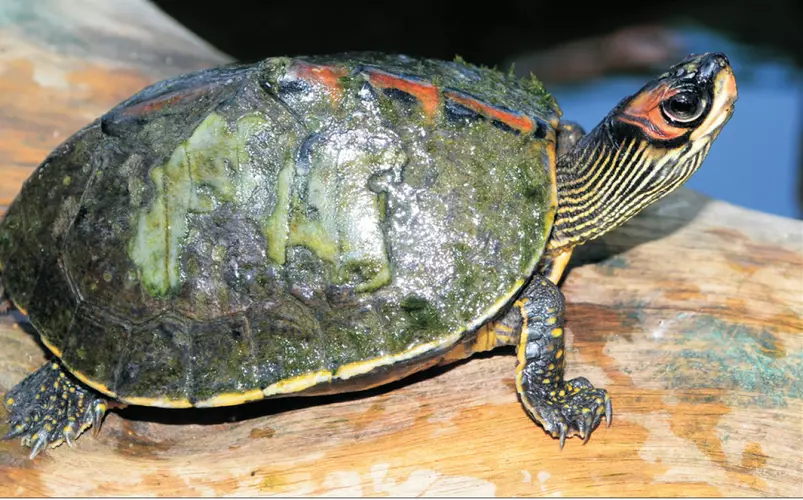
 A high-quality photograph of an Indian roofed turtle in its natural freshwater habitat.

Wildlife & Biodiversity4 min read

Indian Roofed Turtle: A Jewel of South Asia’s Freshwater Ecosystems

With its distinctive shell and close association with freshwater habitats, the Indian roofed turtle is a fascinating member of South Asia’s reptile diversity. Found in parts of the Indian subcontinent, this turtle depends on healthy rivers and other freshwater environments. Understanding its ecology helps highlight the importance of protecting the aquatic habitats that sustain wildlife.

Read more
Himal Shahi Thakuri

Behind the journal

About EverestBlog

Founder | IT Professional | Digital Explorer

Meet the founder

Say hello

Get in touch

Contact us

Field notes

Real-life stories

Real-life stories from the jungle, journeys on the road, and the moments that shape our lives.

01JungleBy Himal Shahi Thakuri
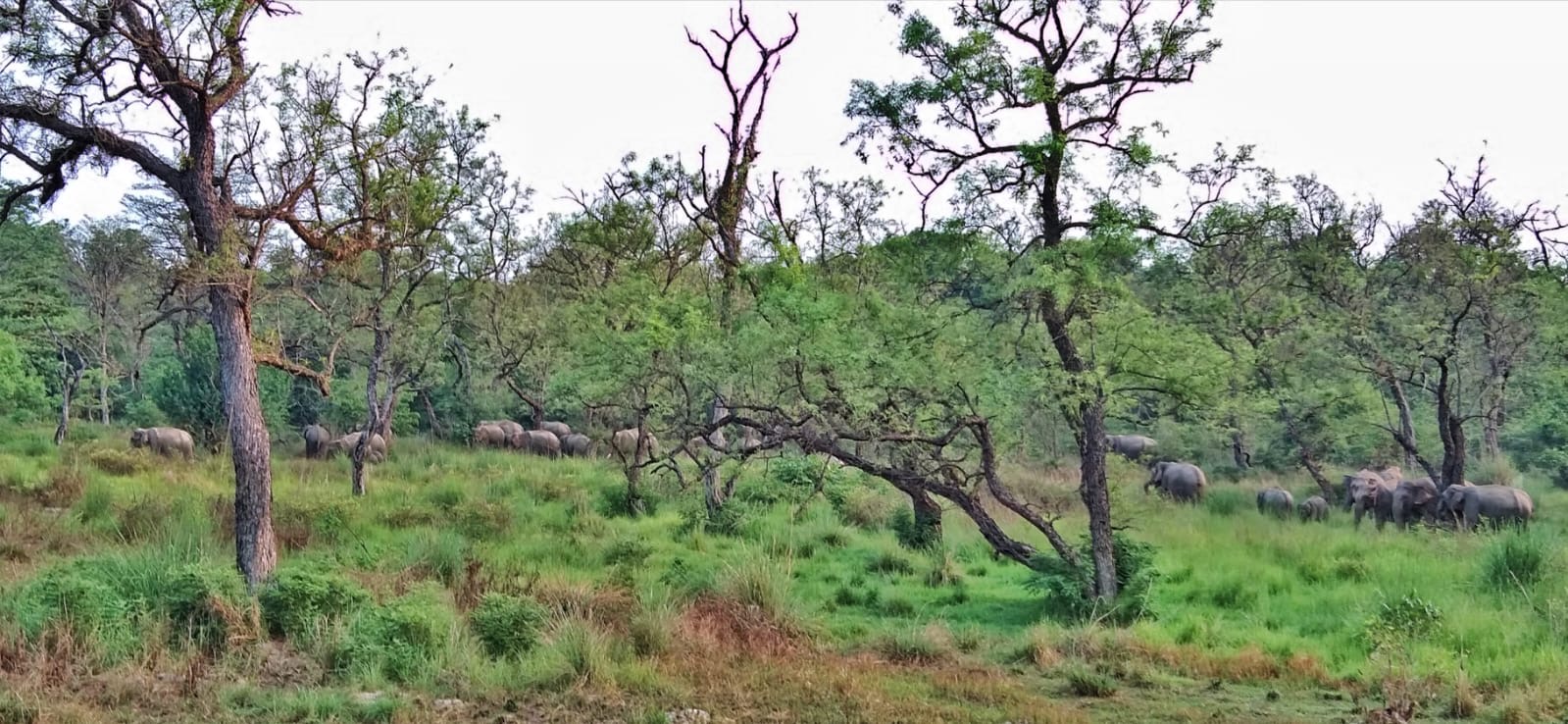
Wild Elephants

I Went to Bardia to See Wildlife. I Came Back Thinking Differently.

The Day I Met the Wild Elephants of Bardiya I still remember how excited I was to see wild elephants in their natural home. Until then, much of what I knew about wildlife came from photographs, videos, and the things I had heard from others. I knew elephants were magnificent animals, but I had not fully understood what it meant to encounter them in the wild. As I grew older, learning from a professional wildlife guide slowly changed the way I looked at nature. I began to understand that there was much more to wildlife than simply seeing an animal or taking a beautiful photograph. There were behaviours to learn, sounds to recognise, and lives unfolding in the forest that most visitors might never fully understand. Then, during my time in Bardiya, Nepal, I had the good fortune to encounter a herd of wild elephants. I was overwhelmed by the moment. My camera became my first instinct. I wanted to capture as many photographs as possible because I knew I was experiencing something special. I watched the elephants move together, listened to the sounds around me, and tried to take in everything happening before my eyes. There was so much to notice that I hardly knew where to look first. Looking back, I think I was so busy trying to preserve the moment through my camera that I was still learning how to experience it with my own eyes. I wanted to take the photographs home with me, but the experience itself was something no photograph could completely capture. The elephants continued moving through their habitat, following their own rhythm. They had no reason to notice me or understand my excitement. I was the visitor in their world, lucky enough to witness a small part of their lives. That thought stayed with me. My guide had taught me to pay attention to the wildlife around me, but being there helped me understand why that knowledge mattered. Wild animals are not here for our entertainment, and forests are not simply destinations for travellers. They are living homes, and every animal deserves the freedom to live without unnecessary disturbance. Since that encounter, I have thought more about what it means to photograph wildlife and share its beauty with others. I want people to discover the incredible natural heritage of Nepal, but I also want them to understand why it deserves protection. A photograph can introduce someone to an animal they have never seen before. Perhaps it can also inspire them to care about the future of that animal and the forest it calls home. When I think about the wild elephants of Bardiya, I feel grateful that I had the opportunity to witness them. I may have arrived with a camera and the excitement of someone eager to capture a beautiful moment, but the experience gave me something more lasting: a deeper appreciation for the wild and the importance of protecting it. I hope future generations will have the same opportunity—to enter Nepal's forests, discover their wonders, and encounter wildlife living freely in its natural home. Because the real value of such an encounter is not measured by the number of photographs we take. It is found in what we learn, what we remember, and what we choose to protect long after we have left the forest.


Read more