Wildlife & Nature
Dangerous and Venomous Snakes of Nepal: A Wildlife Guide
Discover Nepal’s most dangerous and rare snakes, their habitats, venom, behaviour, and the facts every wildlife enthusiast should know.
Himal Shahi Thakuri · Oct 28, 2026 · 10 min read
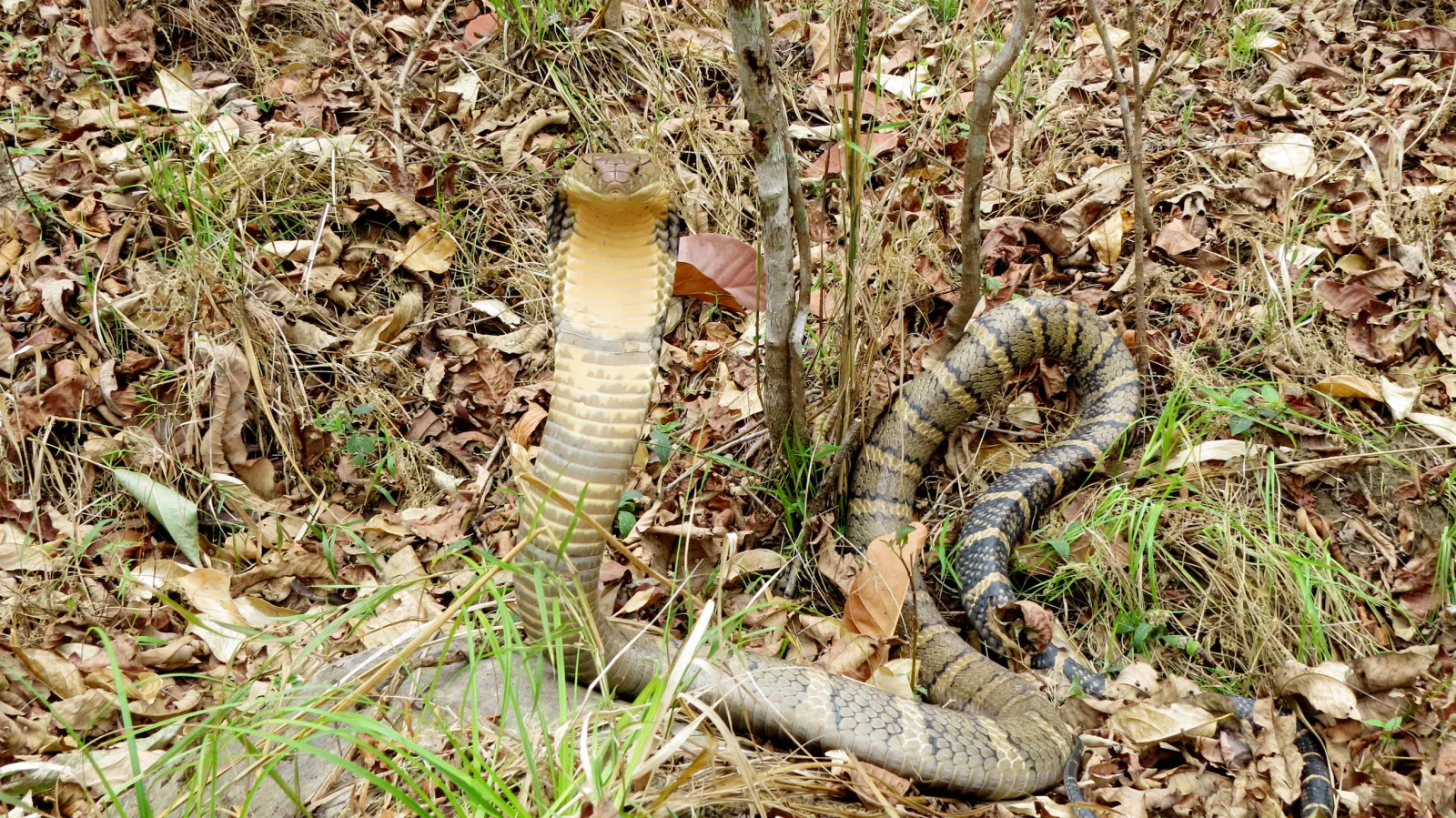
A king cobra in its natural habitat, one of South Asia’s most impressive venomous snakes.
Dangerous and Venomous Snakes of Nepal: A Wildlife Guide
Nepal is home to a remarkable diversity of wildlife, including some of the world’s most fascinating and dangerous snakes. From the tropical forests of the Terai to the foothills of the Himalayas, the country provides habitats for numerous reptile species. Some snakes possess medically significant venom, while others are harmless and play an important role in maintaining ecological balance.
Understanding Nepal’s venomous snakes, their habitats, behaviour, and conservation needs is essential for wildlife enthusiasts, nature guides, photographers, and travellers exploring the country’s forests and rural landscapes.
1. King Cobra (
Ophiophagus hannah
)
The king cobra is one of the world’s longest venomous snakes and among the most impressive reptiles found in South and Southeast Asia. It inhabits suitable forest environments and is associated with parts of Nepal’s lowlands and foothills.
Unlike many other venomous snakes, the king cobra feeds primarily on other snakes. When threatened, it may raise the front portion of its body, spread its hood, and produce a warning hiss. Its venom contains neurotoxins that can interfere with the nervous system and cause life-threatening poisoning.
Despite its fearsome reputation, the king cobra generally prefers to avoid unnecessary confrontation. Habitat destruction, human persecution, and accidental encounters can threaten its survival.
2. Spectacled Cobra (
Naja naja
)
The spectacled cobra, also called the Indian cobra, is a medically important venomous snake found in parts of South Asia, including Nepal.
It is recognised by its hood, which may display a marking resembling a pair of spectacles. However, markings vary between individuals. The species can inhabit agricultural landscapes, grasslands, and areas near human settlements.
Spectacled cobras help control rodent populations and contribute to the natural balance of ecosystems. Their venom can affect nerve function and may cause severe poisoning. If one is encountered, maintain a safe distance and allow it to move away.
3. Monocled Cobra (
Naja kaouthia
)
The monocled cobra is another medically significant species found in parts of South and Southeast Asia, including suitable habitats in Nepal.
It is named for the rounded marking that often appears on the back of its hood. Its colour can vary, making identification difficult for inexperienced observers.
Monocled cobras may inhabit wetlands, grasslands, agricultural areas, and other suitable environments. Their venom can cause serious medical complications, and a bite requires urgent professional treatment.
Although encounters can be frightening, these snakes should not be killed simply because they are found near homes or farmland. Trained wildlife rescuers can help manage potentially dangerous encounters.
4. Common Krait (
Bungarus caeruleus
)
The common krait is one of South Asia’s most medically important venomous snakes. It is generally dark in colour, often with narrow pale bands, although appearance can vary.
Common kraits are primarily nocturnal and may occur in agricultural landscapes or near human dwellings. They feed on other snakes and small animals.
Their venom contains potent neurotoxins that can interfere with nerve signals and cause progressive paralysis, including paralysis of the muscles required for breathing. Some bites initially cause little pain, which can delay treatment.
Anyone suspected of being bitten by a krait should seek emergency medical care immediately, even if symptoms appear mild.
5. Banded Krait (
Bungarus fasciatus
)
The banded krait is a striking venomous snake recognised by its alternating yellow and black bands. It occurs in parts of South and Southeast Asia, including suitable habitats in Nepal.
It may be encountered in forests, agricultural areas, and landscapes near water. The species is generally more active at night and feeds mainly on other snakes.
Its venom can cause severe neurological complications. Its bright colours make it visually distinctive, but they should never encourage people to approach or handle it.
Observing a banded krait from a safe distance allows wildlife enthusiasts to appreciate this remarkable reptile without disturbing it.
6. Russell’s Viper (
Daboia russelii
)
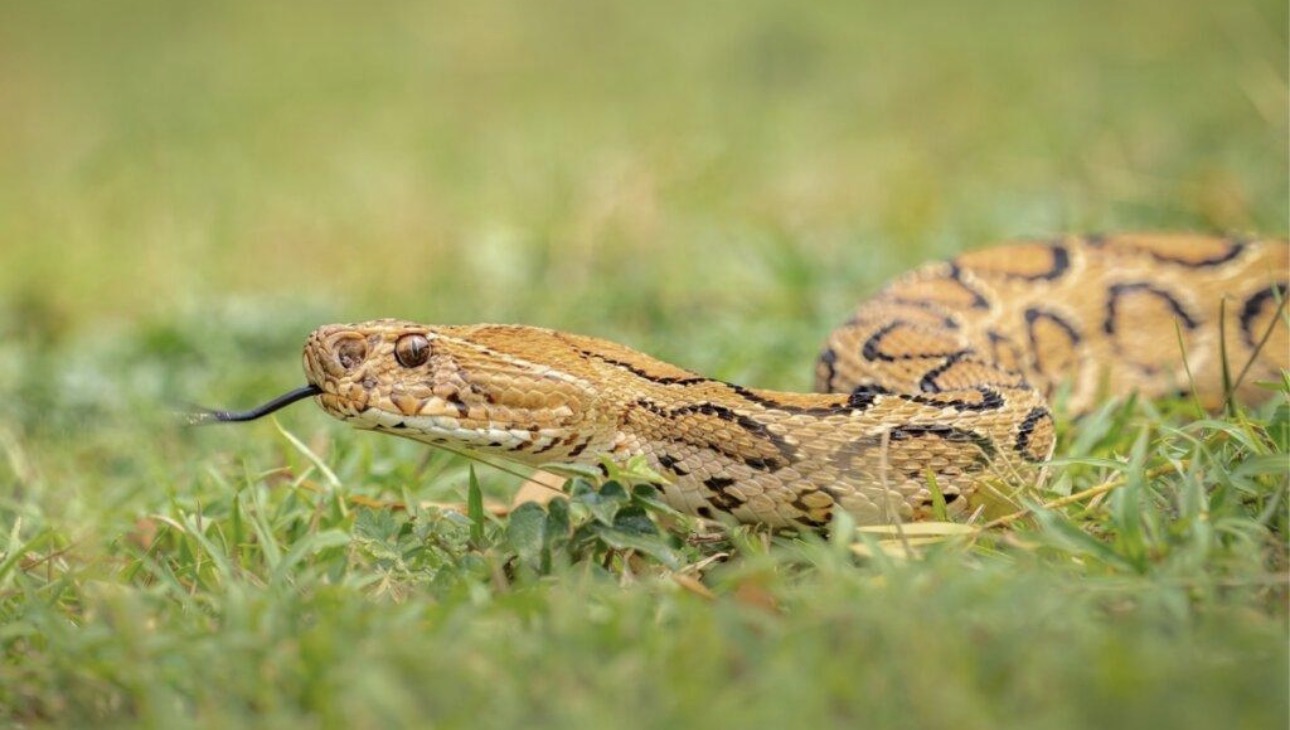
Russell’s viper is a medically important venomous snake in South Asia. It has a heavy body and distinctive dark oval markings surrounded by lighter borders.
The species is associated with several types of habitat, including grasslands, scrub, and agricultural environments within its distribution.
Its camouflage can make it difficult to notice among dry leaves, grass, and other vegetation. Its venom may cause serious blood-clotting problems, tissue damage, kidney complications, and other life-threatening effects.
Wearing suitable footwear, using a torch after dark, and watching where you step can help reduce accidental encounters.
7. Saw-Scaled Viper (
Echis carinatus
)
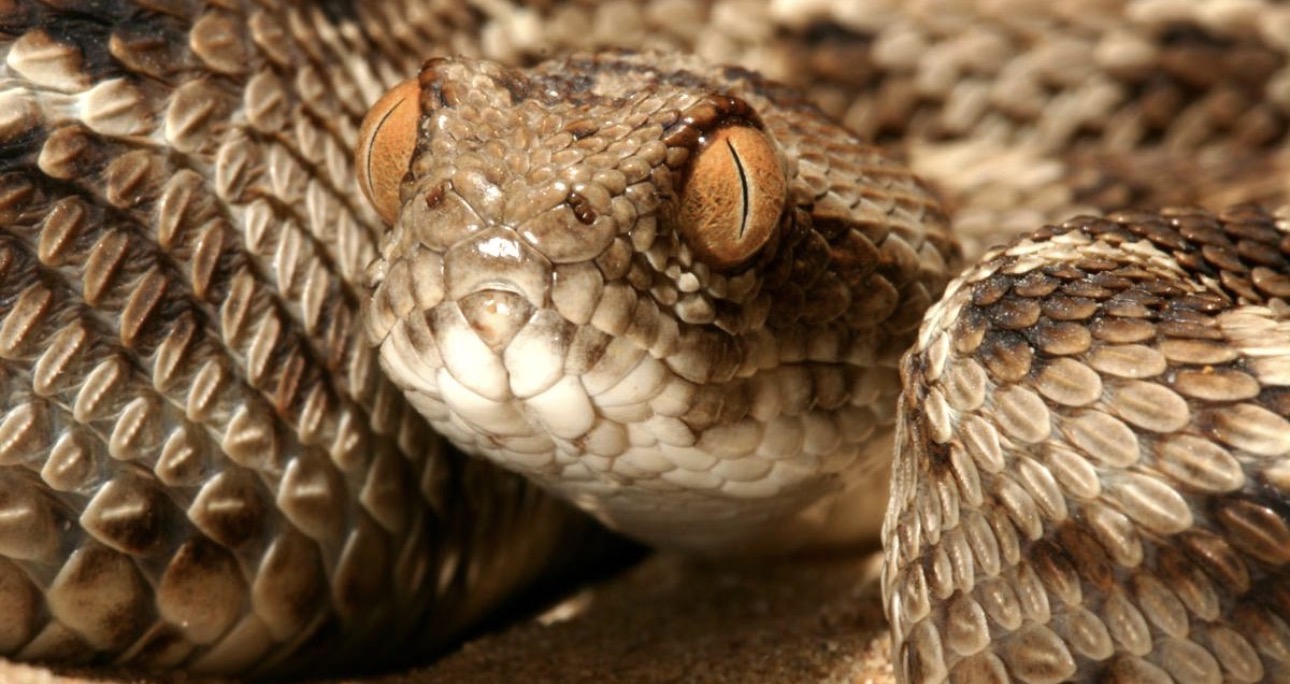
Saw-scaled vipers are small but potentially dangerous venomous snakes found in parts of South Asia. Their patterned bodies provide camouflage in suitable environments.
Some members of this group produce a warning sound by rubbing their keeled scales together when threatened. This behaviour should not be used to identify a snake, and people should never approach a suspected viper to investigate a sound.
Their venom can cause serious blood-clotting abnormalities and other complications. The precise distribution of individual saw-scaled viper species within Nepal should be verified through reliable regional records.
8. Himalayan Pit Vipers
Pit vipers are a group of venomous snakes that includes several species found across parts of the Himalayan region. Depending on the species, they may inhabit forests, mountain slopes, shrubs, and areas near streams.
Many have triangular heads and specialised heat-sensitive pits between their eyes and nostrils. Some species are green, while others have brown or patterned bodies.
The term Himalayan pit viper describes a broader group rather than a single species. Different species have different distributions, appearances, and medical significance.
Wildlife observers should never attempt close identification. Photographs taken from a safe distance can be reviewed by qualified experts.
9. Green Pit Vipers
Green pit vipers are adapted to life among foliage, where their colour helps them blend into branches and vegetation.
Some species occur in parts of the Himalayan foothills and South Asian forests, although their precise distribution varies. They generally feed on small animals, including frogs, lizards, birds, and rodents.
Their bites may cause pain, swelling, and other complications. Green colour alone does not confirm a snake’s identity or determine whether it is venomous.
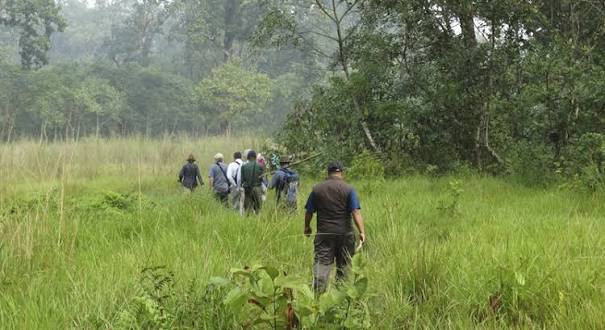
When walking through forests, avoid reaching blindly into bushes, hollow logs, or dense vegetation.
10. Common Wolf Snake (
Lycodon aulicus
)
The common wolf snake is a useful example of why identifying snakes correctly matters. It occurs in parts of South Asia, including Nepal, and may be found around gardens, buildings, and other habitats.
It is generally considered non-venomous to humans and feeds on small animals, including geckos. Its dark colour and pale markings can resemble those of certain kraits, creating opportunities for mistaken identification.
People should never handle a snake simply because they believe it is harmless. Maintaining a safe distance protects both people and wildlife.
11. Why Is Snake Venom Dangerous?
Snake venom is a complex mixture of biologically active substances that evolved primarily to help snakes capture prey and, in some circumstances, defend themselves.
Different venoms can affect the human body in different ways.
Neurotoxic venom interferes with nerve signals and muscle function. Severe poisoning can cause paralysis and respiratory failure.
Blood-affecting venom can disrupt normal clotting and damage blood vessels or organs.
Cytotoxic venom can damage cells and tissues, potentially causing significant swelling and injury.
These effects can overlap, and the severity of a bite depends on several factors, including the species, amount of venom injected, bite location, and time taken to receive treatment.
A bite should never be considered harmless simply because the wound looks small or causes little pain.
12. Where Do Snakes Live in Nepal?
Nepal’s varied geography provides a wide range of habitats for reptiles. The tropical and subtropical Terai contains forests, wetlands, grasslands, farmland, and river systems. The Siwalik hills and middle hills support different combinations of woodland, rocky terrain, streams, and agricultural landscapes.
Chitwan is particularly interesting for wildlife enthusiasts because its mosaic of forests, grasslands, rivers, and wetlands supports a wide range of wildlife, including reptiles.
However, not every snake species occurs throughout Nepal. A snake recorded in one district should not automatically be described as common in every region.
For accurate wildlife reporting, consult reliable biodiversity databases, scientific research, museum records, and protected-area surveys. This is particularly important when discussing rare species or claiming that a snake occurs in a specific national park.
13. Rare Snakes and Conservation in Nepal
Rare snakes are fascinating subjects for researchers and wildlife enthusiasts, but rarity must be established using reliable evidence. Some species are genuinely uncommon, while others are simply difficult to observe because they are nocturnal, secretive, or restricted to particular habitats.
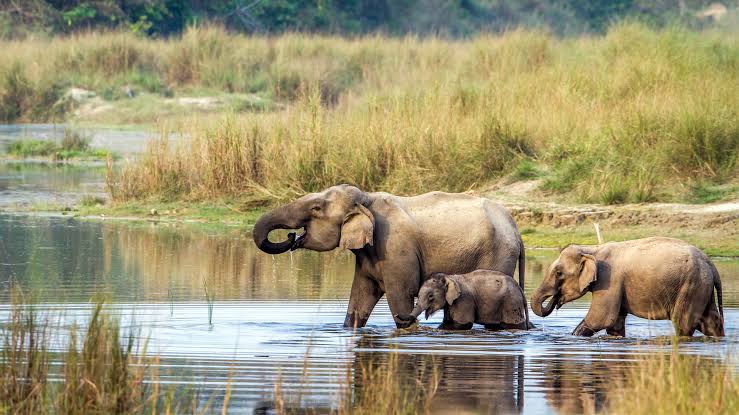
Reptiles often receive less public attention than large mammals such as tigers, rhinoceroses, and elephants. Nevertheless, snakes are important components of Nepal’s biodiversity.
Major threats can include habitat destruction, road mortality, pollution, accidental killing, and deliberate persecution. Changes in land use can also affect the availability of food and shelter.
Snakes help control populations of rodents and other small animals. They also form part of the food web, serving as prey for certain birds and other predators.
Conservation efforts should focus on protecting habitats, improving public awareness, supporting scientific research, and encouraging safe coexistence between people and wildlife.
14. How to Stay Safe Around Snakes
If you encounter a snake while travelling, hiking, working on a farm, or exploring a forest, stop at a safe distance. Never attempt to touch, capture, corner, or kill it.
Give the animal room to retreat. If a snake enters a building or creates an immediate safety concern, contact trained wildlife rescuers or the appropriate local authorities.
To reduce the risk of encounters:
Wear suitable footwear when walking through grass or forest trails.
Use a torch when walking outdoors after dark.
Avoid placing your hands into holes, piles of leaves, or dense vegetation without checking.
Keep sleeping areas and surroundings clean to reduce rodents that may attract snakes.
Never handle a snake, even if it appears dead or harmless.
Do not approach snakes for close-up photographs.
These precautions can reduce risk without harming wildlife.
15. What Should You Do If a Snake Bites Someone?
A suspected venomous snakebite is a medical emergency. Rapid access to appropriate medical care can save lives.
Move away from the snake and keep the injured person as calm and still as possible. Immobilise the affected limb and arrange urgent transport to a hospital. Remove rings, watches, or tight items before swelling develops, if this can be done safely.
Do not cut the wound, suck out venom, apply ice, use electric shocks, or tie a tight tourniquet. Do not delay medical care while attempting to identify or photograph the snake.
Antivenom and supportive treatment must be administered by qualified medical professionals when indicated. Even if symptoms are initially mild, immediate medical assessment is important.
16. Responsible Snake Photography and Wildlife Tourism
Snakes can be fascinating subjects for wildlife photography, but responsible observation must always come first.
Use a telephoto lens and keep a safe distance. Never handle, provoke, restrain, or move a snake to improve a photograph. Avoid blocking its escape route or disturbing its natural behaviour.
When publishing wildlife photographs, confirm the species identification and location with reliable sources. A photograph taken outside Nepal should not be presented as evidence of a species occurring in Nepal.
For rare species, publishing precise location information may increase the risk of disturbance or collection. Responsible wildlife writers should consider these risks before sharing location details.
Nature guides and travel bloggers can contribute to conservation by sharing accurate information, encouraging respect for wildlife, and explaining how visitors can observe animals without harming them.
Final Thoughts
Nepal’s snakes are an important but often overlooked part of its natural heritage. From the impressive king cobra to medically significant kraits and vipers, these reptiles demonstrate the extraordinary diversity of life found across the country’s landscapes.
For travellers, nature guides, photographers, and wildlife enthusiasts, the most important rule is simple: observe snakes from a safe distance and leave them undisturbed.
Learning about their habitats, behaviour, and ecological importance helps replace fear with informed respect. By supporting responsible wildlife tourism and protecting natural habitats, we can help Nepal’s remarkable reptiles survive for future generations.